AI & IoT for Sustainability
Field-deployed sensing for waste, air, and water systems; edge ML; dashboards for decision-makers.
About Us
Our faculty, students, and partners collaborate across disciplines to deliver solutions in sustainability, health, infrastructure, and data-driven decision-making.
SIRE (Adapting an Experiment‑centric Teaching Approach to Increase Student Achievement in Multiple STEM Disciplines) is an evidence‑based, high‑impact initiative that adapts Experimental Centric‑based Instructional Pedagogy (ECP): formerly Mobile Hands‑On Studio Technology & Pedagogy: to improve STEM achievement and motivation, particularly among African American students at Morgan State University.
Under the Development & Implementation Tier for Engaged Student Learning (Level II), we develop, implement, and assess active ECP curricula and portable, hands‑on learning devices. The approach enables "tinkering" and anytime/anywhere exploration of STEM principles, devices, and systems.
New curricula and mobile lab kits support selected cohorts from freshman through senior year, expanding studio pedagogy beyond traditional equipment and cost barriers.
Be a regional leader for applied STEM: connecting labs, classrooms, and industry to accelerate sustainability and resilience.
Field-deployed sensing for waste, air, and water systems; edge ML; dashboards for decision-makers.
Low-carbon materials, acoustics, and resilient infrastructure performance.
Microplastics, exposure science, and the effects of noise on mental health.
Forecasting, uncertainty quantification, and decision support for policy and planning.
K–12 pipeline, community partnerships, and inclusive excellence initiatives.
Prototyping shop, sensing lab, field kits, and a compute cluster for data-intensive work.
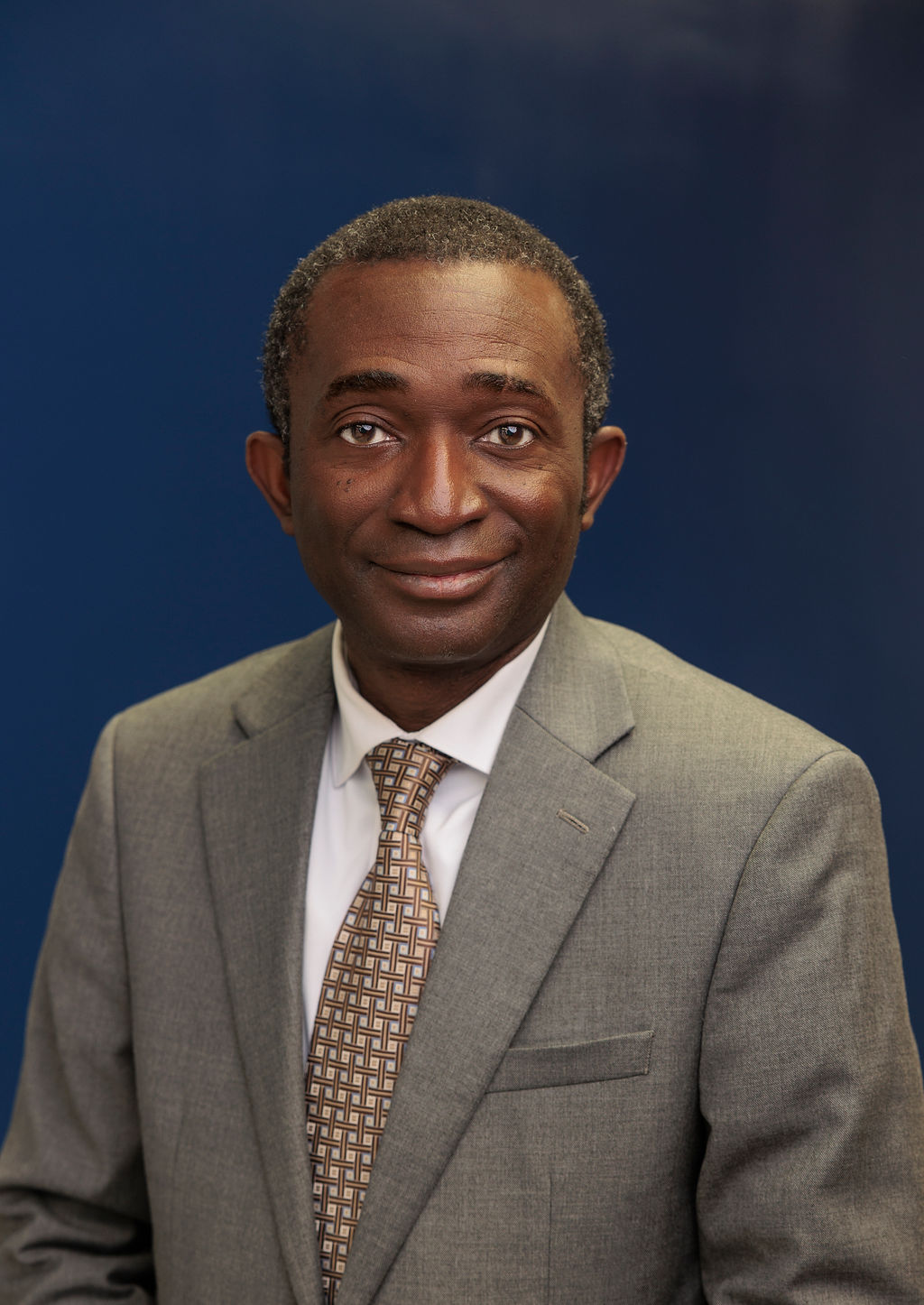
Director SIRE; Associate Professor, Department of Civil Engineering
Center for the Built Environment and Infrastructure Studies (CBEIS), Room 311
Director, SIRE
Resilience, environmental sensing, decision systems
Assistant Professor
Health impacts, exposure modeling
Program Coordinator
Admin, events, partnerships
2025 : Launched SIRE Labs Network and student innovation fund.
2023 : First international workshop on AI for Environmental Sensing.
2019 : Established community partnerships for urban sustainability pilots.
Join a lab, propose a capstone, apply for paid research assistantships, or volunteer at outreach events.
Yes: our teams collaborate on pilots, internships, and sponsored research. Contact us.
Browse our Publications page; selected datasets and code are linked from paper pages.
Prospective students, collaborators, and community partners are welcome.